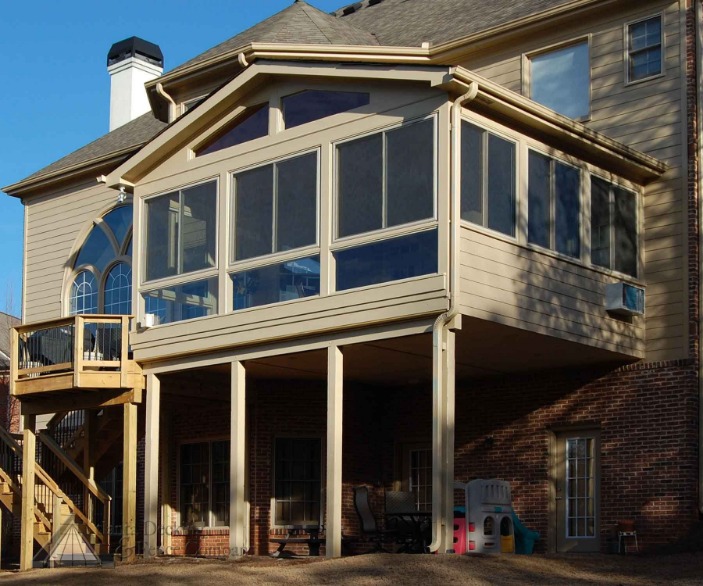
Choosing the Right Materials: Natural Wood vs. Composites
Selecting the right material is the foundation of any successful outdoor project. Traditional timber offers natural beauty and a warm, authentic patina that many homeowners love. Species like cedar, redwood, and pressure-treated pine have distinct grain patterns and aging characteristics that lend charm to a garden or patio. However, natural wood requires routine maintenance—staining, sealing, and sanding—to prevent rot, splintering, and color fading. Understanding the long-term care costs and labor commitment for wood is essential before committing to a wood deck.
Composite alternatives have evolved rapidly and now provide many advantages over conventional timber. Modern composites combine recycled plastics and wood fibers into boards that resist moisture, insects, and staining. They typically come in a wider range of colors and finishes, mimicking the texture of hardwood while reducing upkeep. When durability and low maintenance are priorities, composites can be a cost-effective solution over the deck’s lifetime. Many manufacturers back their products with long warranties, which adds confidence for homeowners planning for the future.
Other material choices include PVC decking, aluminum framing, and exotic hardwoods. Each option has trade-offs in terms of cost, environmental impact, and longevity. PVC boards are highly resistant to moisture and fading but may feel less natural underfoot, while aluminum substructures offer unmatched strength and dimensional stability. Evaluating the climate, expected usage patterns, and aesthetic goals will help determine the best material. For those seeking the benefits of a resilient, low-maintenance surface with a natural look, exploring reputable composite ranges is a practical next step—consider reviewing supplier catalogs for sample finishes and technical specifications before making a final decision.
Installation Best Practices and Maintenance for decking Boards
Proper installation is critical to maximize the lifespan and performance of any deck surface. A well-designed substructure must account for drainage, ventilation, and support spacing specific to the chosen material. For composite boards, follow manufacturer guidelines for joist spacing and fastener selection; composites often require slightly different tolerances than wood to accommodate thermal expansion and contraction. Using corrosion-resistant fasteners and hidden-clip systems can enhance aesthetics and reduce long-term maintenance. Precise layout planning before installation prevents unnecessary cuts and ensures boards run in the most visually pleasing direction relative to the house and views.
During installation, attention to edge detailing and rail connections improves safety and durability. Proper end sealing and spacing at board ends help prevent moisture entrapment. Incorporating adequate gaps between boards facilitates drainage and airflow, reducing the risk of mold or warping. For projects that integrate lighting, built-in planters, or multiple levels, coordinating electrical and structural requirements early in the process avoids costly mid-project changes. Professional installers often provide warranty-friendly documentation, so retaining receipts and installation photos is recommended.
Maintenance varies by material: wood decks benefit from annual cleaning, stain refreshes every few years, and timely repairs of damaged planks. Composites typically need only occasional soap-and-water cleaning and a periodic inspection for debris in gaps or under the deck. When selecting materials or contractors, it can be helpful to compare case studies or sample installations in similar climates. For homeowners who want high performance without the hassle, exploring a curated selection of composite decking boards offers a practical route to combine aesthetics with durability.
Design Ideas, Case Studies, and Real-World Applications
Deck projects range from simple platform additions to complex multi-level entertainment spaces with built-in seating and outdoor kitchens. Case studies show that thoughtful design maximizes both usability and resale value. One suburban remodel replaced a deteriorating wooden porch with composite decking and an aluminum frame, yielding a maintenance-free surface and increased usable outdoor space. The homeowners added integrated bench seating and concealed lighting, creating a low-profile entertainment area that required little upkeep while enhancing evening ambiance. Such projects highlight how material choice and clever layout can transform an overlooked yard into a year-round extension of the home.
Another real-world example involves coastal properties where salt air and high humidity accelerate wood decay. In these contexts, high-performance composites and stainless-steel fasteners proved invaluable. Designers prioritized open joist spacing and sloped surfaces to enhance runoff, limiting standing water and extending deck life. The resulting installations maintained aesthetic appeal without the frequent maintenance cycles typical of coastal wooden decks. These case studies demonstrate the importance of matching material properties to environmental conditions and show how upfront investment in quality products reduces total lifecycle costs.
For urban terraces and rooftop decks, load considerations and waterproofing are paramount. Lightweight composite boards reduce dead load compared with some tropical hardwoods, and modular decking systems allow for easier access to membrane surfaces beneath. Designers often incorporate greenery with raised planters and permeable decking solutions to manage runoff and create microclimates that enhance comfort. Whether renovating a single-family backyard or designing a communal roof deck for multi-unit housing, blending function, aesthetics, and technical planning produces durable, inviting outdoor spaces that meet modern lifestyle needs.