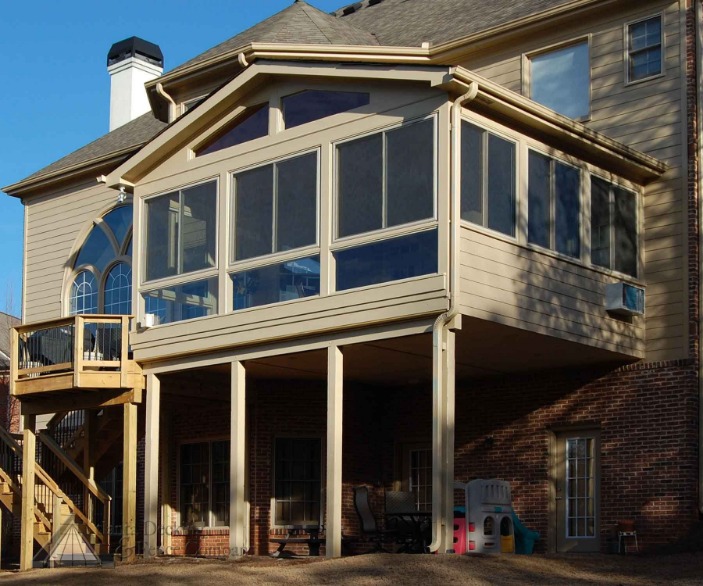
Why Choose Composite Materials for Decking, Cladding, and Fencing?
Homeowners, architects, and contractors are increasingly turning to composite materials to solve the twin challenges of durability and aesthetics. Compared with traditional timber, modern composites offer superior resistance to rot, insect damage, and moisture, reducing long-term maintenance without sacrificing the natural look that consumers want. The best composite products combine wood fibers and recycled plastics with advanced polymers to produce boards and panels that stand up to harsh weather, heavy foot traffic, and ultraviolet exposure.
Decking made from composite materials delivers a consistent, slip-resistant surface that ages gracefully. Because composite systems are engineered, they avoid many of the problems associated with natural materials, such as splintering, warping, and rapid color change. Equally, cladding systems built from composites add a protective, low-maintenance outer layer to buildings, improving thermal performance and enabling modern façades with long lifespans. For boundary solutions, Composite Fencing offers privacy and design flexibility while requiring only minimal upkeep compared with painted or stained timber fences.
From a sustainability perspective, composites often incorporate recycled plastics and reclaimed wood fibers, reducing pressure on natural forests. Life-cycle analyses frequently show lower maintenance emissions over decades, making composite options attractive for green building projects. Performance warranties from reputable manufacturers further reassure buyers that their investment will retain value. For those researching options online, it's helpful to review manufacturer specifications and independent testing to verify slip ratings, fire performance, and warranty terms. For a trusted source of products and technical data, consider exploring Composite Decking which offers a range of tested profiles and installation guidance.
Design, Installation, and Maintenance: Practical Guidance
Effective use of composite materials starts in the design phase. For decking, plan joist spacing and deck layout to accommodate thermal expansion and contraction unique to composite boards. Manufacturers typically provide spacing charts and recommended screw patterns to avoid warping and to maintain warranty coverage. Integration details—such as hidden fasteners, fascia profiles, and stair nosing—allow for a clean, modern aesthetic while ensuring structural integrity. Cladding installations must account for ventilation and drainage behind the panels to prevent trapped moisture; rainscreen principles are often applied to composite façades to prolong substrate life.
Installation skill matters. Composite boards require precise cutting tools and fasteners designed for composite densities—using stainless steel or coated screws to avoid staining and corrosion. For vertical applications and fencing, correct post anchoring and lateral support are essential to resist wind loads. Composite panels and fence slats are lighter than many alternatives, but that makes secure anchoring even more important in exposed sites. Professionals recommend pre-drilling for some board types and following manufacturer torque limits to avoid compressing the composite material.
Maintenance is straightforward: periodic cleaning with a mild detergent and a soft brush removes dirt and organic growth. Most composites do not require staining, sealing, or painting, although high-traffic or high-visibility areas may benefit from occasional power washing on a low setting. Surface repair kits are available for minor scratches and gouges. Routine inspection of fasteners, expansion gaps, and flashing will extend system life. By prioritizing proper detailing, sound installation practice, and simple maintenance, property owners can enjoy the aesthetic and functional benefits of composite decking, cladding, and fencing for decades.
Real-World Examples and Selection Considerations
Case study: A coastal condominium project replaced aging timber decking and sea-facing cladding with composite systems to reduce maintenance and improve resale appeal. The developer selected corrosion-resistant fixings and grooved board profiles to channel rainwater away from the footprint. Over five years, the property reported lower repair costs, fewer tenant complaints about splinters and loose boards, and a notable uptick in leasing inquiries due to the modern appearance of the outdoor amenities.
Another example involves a suburban home where the owner replaced a traditional picket fence with composite fencing panels to gain privacy and eliminate seasonal repainting. The new fence delivered improved acoustic dampening and sustained its color and texture through winter storms. Early investment in high-quality posts and concrete footings prevented sagging and reduced long-term lifecycle costs compared with repeated timber replacement cycles.
When selecting composite products, weigh aesthetics, performance specs, warranty, and environmental credentials. Look for UV stability ratings, slip resistance numbers for decking, and fire classifications for cladding in multi-storey contexts. Colorfastness tests and surface textures vary by manufacturer—some mimic tight-grain woods while others adopt brushed or grooved finishes better suited to commercial settings. Budget planning should include installation labor, substructure materials, and hardware: while raw board costs for composites can be higher than untreated timber, the reduced maintenance and longer serviceable life typically offset that premium.
Specifiers should also consider end-of-life scenarios: inquire about recyclability and take-back programs. Several suppliers now offer boards composed of high proportions of recycled content and provide guidance on reclaiming materials at demolition. By pairing thoughtful design, correct installation, and informed product selection, builders and homeowners can maximize return on investment and enjoy resilient, attractive outdoor environments for years to come.