Designing Efficient warehouse racking systems and industrial storage solutions
An efficient warehouse begins with intelligent warehouse racking systems designed to match operations, inventory profiles, and space constraints. Choosing between selective pallet racks, drive-in systems, push-back, or narrow-aisle configurations depends on product turnover, pallet dimensions, and forklift fleet capabilities. A balanced design prioritizes accessibility for high-turn SKUs while maximizing vertical space to reduce the footprint required for storage. Integrating automated picking lanes and mezzanine work platforms can further increase usable area without costly building expansion.
Material selection and structural specifications are critical. Heavy duty racking requires beams and uprights engineered to bear concentrated loads and dynamic forces from handling equipment. Load ratings, beam spacing, and column protection must be specified by engineers to ensure long-term performance. Relying on manufacturer datasheets and certified installation practices prevents underspecified systems that shorten service life or pose safety hazards.
Operational efficiency also depends on complementary systems such as pallet flow lanes, carton live storage, and mezzanine levels for light assembly or packing operations. Combining multiple racking types within a facility—such as selective racks for daily picks and pallet flow for bulk rotation—creates a layered storage strategy that supports varied inventory turns. Data-driven slotting and regular cycle counts maintain the alignment between physical layout and inventory needs, keeping throughput high and labor costs lower.
Maintaining Safety: rack safety inspections, pallet rack inspections, and compliance
Regular rack safety inspections and pallet rack inspections are essential for preserving structural integrity and workplace safety. Inspections identify common issues such as bent uprights, damaged beams, missing safety pins, and unapproved modifications. Minor impacts from forklifts can propagate hidden damage in frames and connections; left unaddressed, these defects dramatically reduce load capacity and increase collapse risk. Inspections should include visual checks, load verification, and documentation of any deviations from original specifications.
Meeting regulatory and industry standards is part of responsible facility management. Warehouse safety compliance requires documented inspection schedules, trained personnel performing or overseeing checks, and clear repair protocols. When damage is found, immediate load restrictions and cordons should be used until a qualified repair is completed. Many operations establish a tiered inspection program: daily operator checks, monthly supervisor walkthroughs, and annual certified structural reviews to ensure thorough oversight.
Professional services offer valuable support when internal resources are limited. Certified third-party inspectors and qualified technicians provide impartial assessments and can deliver emergency rack repair services, straightening, and component replacement that restore rated capacity. Investment in maintenance prevents costly downtime and liability exposure; statistically, facilities that enforce robust inspection regimes experience fewer inventory losses and safer workplaces.
Installation, upgrades, and real-world applications: pallet racking installation, mezzanine additions, and case studies
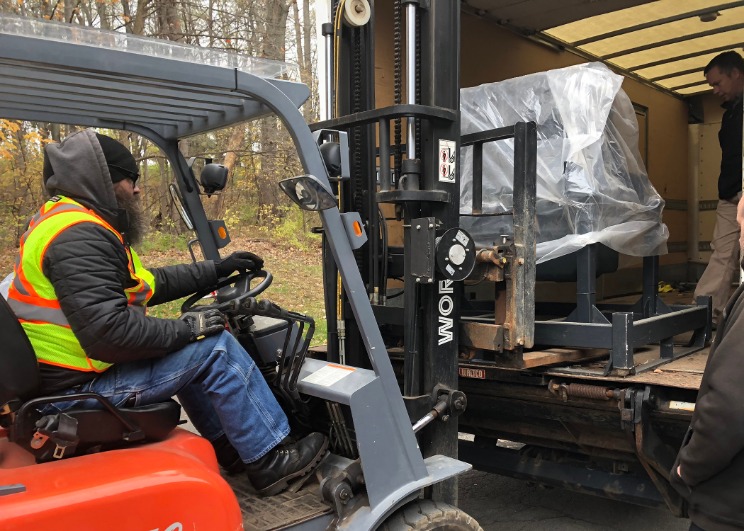
Proper pallet racking installation is the foundation of long-term performance. Installation begins with a verified layout plan, precise floor anchoring, and adherence to manufacturer torque and connection requirements. Improper anchoring or misaligned rows can produce uneven load distribution and premature wear. Certified installers follow engineered drawings, confirm load labels are posted, and coordinate with operations to stage work with minimal disruption.
Adding a mezzanine offers a flexible way to multiply floor area for light storage, offices, or packing operations without altering the building envelope. Mezzanines must be designed for intended live loads, integrated with egress, and meet fire and safety codes. Combining mezzanines with pallet racking below or around the structure creates multi-tier storage that leverages vertical space across different load classes. The result is a customized footprint that supports growth while preserving workflow.
Real-world examples highlight measurable benefits. A mid-sized distributor replacing obsolete selective racks with a mixed system including narrow-aisle racking and a mezzanine increased storage density by 28% and reduced labor per pick by 15%. In another case, a manufacturer introducing scheduled rack inspections and a rapid repair contract cut inventory damage claims by half and extended racking service life by years. These outcomes underscore that design, installation, inspection, and timely rack repair services work together to produce a resilient, efficient warehouse.
When planning upgrades, factor in scalability: choose systems that allow for future beam additions, reconfiguration for different pallet sizes, and integration with automation. Training operators on proper stacking, traffic patterns, and impact reporting creates a culture of care that preserves investment and keeps people safe. Strategic planning combined with expert installation and disciplined inspection routines creates a high-performance storage environment that supports both productivity and compliance.