Why Harley Street Leads the Way for Precision Hair Restoration in London and the UK
In the heart of London’s medical district, Harley Street has become synonymous with meticulous, medically sound, and artistically refined hair transplant surgery. What sets this enclave apart is not only heritage, but the rigor of clinical standards and the depth of experience among surgeons who treat hair as both a biological system and a visual language. Clinics here prioritize comprehensive consultations that include scalp assessments, donor density measurements, hair shaft caliber evaluation, and dermoscopic analysis of miniaturization—because the difference between a passable restoration and a natural one often lies in microscopic detail.
Top practitioners on Harley Street design hairlines with an eye on long-term planning, not just immediate transformation. That means mapping future loss patterns, preserving donor capacity, and setting realistic density targets—often 40–55 follicular units per cm² in the frontal zone for suitable candidates—rather than chasing unsustainable coverage. This planning extends to temple angles, hairline irregularities, and strategic use of single-hair grafts at the front, ensuring a soft transition that reads as natural in all lighting and from every angle.
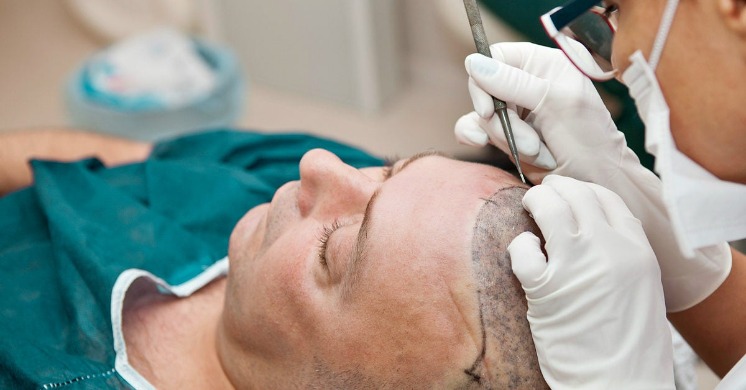
Clinical excellence also depends on graft handling. High-performing teams minimize out-of-body time, maintain strict temperature and hydration protocols, and use precise implanters or microblades for site creation. Mastery of punch selection—such as 0.8–0.95 mm for FUE on straight hair, with adjustments for curly or coarse textures—reduces transection rates and protects the donor. The result is higher survival, fewer visible extraction points, and a seamless donor appearance. Adjuncts like PRP may be used to support healing and graft yield when appropriate, and aftercare is individualized to the patient’s scalp biophysiology.
London’s regulatory environment further elevates outcomes. Clinics are expected to adhere to UK standards, emphasizing clear consent, traceable supply chains, proper anesthesia oversight, and documented follow-up. For patients comparing providers across the hair transplant UK landscape, Harley Street’s combination of clinical governance, surgical finesse, and artistry remains a compelling advantage. It is where surgical planning intersects with aesthetic intelligence—transforming grafts into an age-appropriate, undetectable hairline that endures.
Techniques, Candidacy, and Result Durability: FUE, FUT, and DHI Explained
Understanding the differences between FUE, FUT, and DHI is key to selecting the right approach for your goals and anatomy. Follicular Unit Excision (FUE) removes individual follicular units via tiny punches, distributing extractions to preserve the donor’s appearance. It’s favored for short hairstyles and minimal linear scarring, and can be optimized by varying punch size and angle to suit straight, wavy, or Afro-textured hair. FUT (strip) can be advantageous when maximizing graft counts in a single session or when the donor zone is especially robust; a well-executed trichophytic closure yields a fine linear scar often invisible under modest length. Direct Hair Implantation (DHI) uses implanter pens to place grafts with fine control and can be beneficial when dense-packing or working in fragile recipient areas, though outcomes depend more on the team’s skill than tools alone.
Ideal candidacy hinges on stable hair loss patterns, sufficient donor density and caliber, and realistic expectations. Early-stage thinning may respond to medical therapy alone—finasteride, low-dose oral minoxidil (assessed for suitability), or topical alternatives—potentially postponing surgery and preserving donor reserves. Patients with diffuse unpatterned alopecia, unstable androgenetic loss, or scarring alopecias need a cautious or alternative approach. For women, careful diagnosis is essential; transplanting in the presence of diffuse miniaturization requires conservative planning to avoid shock loss and ensure density feels authentic.
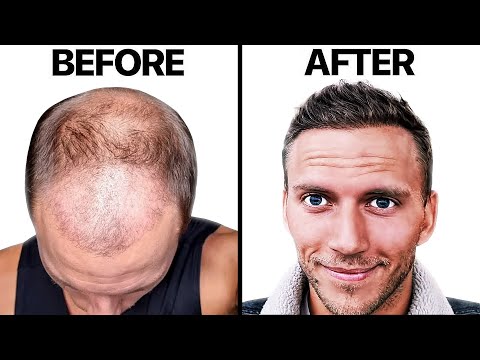
Result durability is a function of biology and strategy. Transplanted hairs retain their donor dominance, but native hair can continue miniaturizing; that’s why long-term plans pair surgery with medical maintenance and staged coverage. Graft survival typically consolidates between months 6–12, with texture and caliber maturing through month 18. Throughout, surgeon-led aftercare—gentle cleansing protocols, inflammation control, and avoidance of smoking or strenuous activity in the early weeks—helps lock in survival rates. For those researching hair transplant london, it’s crucial to evaluate not only before-and-after photos, but also donor management, documented densities, and clear explanations of how the plan anticipates future loss.
Finally, artistry matters. Natural gradients, micro-irregularities at the hairline, and strategic placement of singles versus multis define whether results read as authentic. Skilled teams integrate these principles with an ethical graft budget, ensuring the donor remains viable for potential future sessions. This is how top-tier clinics repeatedly earn their reputation as the best hair transplant london providers—by prioritizing lifetime planning over one-time volume.
Real-World Examples, Costs, and What to Expect Through the Patient Journey
Case Study 1: A 34-year-old male with Norwood 3 recession seeks a conservative, age-appropriate restoration. After confirming stable loss and good donor density (80–90 FU/cm² in the occipital zone), the surgeon plans 1,800–2,200 grafts via FUE, with single-hair units micro-placed at the leading edge and multis behind to build volume. Dense packing targets 45–50 FU/cm² in the frontal band. Shedding peaks around weeks 3–6, early growth appears at month 4, and a meaningful cosmetic change lands by month 8. At 12 months, the patient retains a natural transition, temple angles that complement facial structure, and minimal visible extraction points.
Case Study 2: A 41-year-old male with Norwood 4A prioritizes frontal density and mid-scalp coverage, accepting a thinner crown. The plan uses FUT to maximize grafts—2,800–3,200 in one session—followed by targeted FUE to refine the hairline at a later date. This hybrid approach preserves donor for the future while delivering a full-frontal frame now. Medical therapy stabilizes native hair, reducing the need for aggressive crown work. At 18 months, the patient shows robust density in the forelock, with a donor scar masked under 1.5–2 cm length.
Case Study 3: A 29-year-old with Afro-textured hair and Norwood 2/3 presents with excellent caliber but fewer follicular units per cm², typical for curl patterns. FUE is executed with larger punch sizes and adjusted angles to respect curl beneath the skin, lowering transection rates. Around 1,500–1,800 grafts redefine the hairline subtly; the curl pattern magnifies perceived density, achieving a strong cosmetic impact with fewer grafts while maintaining donor integrity.
Costs in London vary by technique, surgeon experience, and session size. Transparent clinics price per graft or package with clear inclusions: anesthesia, post-op care, and follow-ups. Typical ranges can span from £4,000–£12,000+, with smaller touch-ups lower and extensive multi-zone restorations higher. Value isn’t about the lowest price; it’s about graft survival, donor stewardship, and credible planning that avoids overharvesting or chasing unrealistic coverage. Beware of “unlimited graft” marketing; ethical surgeons protect your lifetime donor supply rather than deplete it in a single pass.
Expect a structured journey: day 0 harvesting and implantation; days 1–3 focus on cleansing protocols and edema control; days 7–10 crusts typically shed; months 1–3 see shedding and a “quiet” phase; months 4–6 show early growth; months 6–12 deliver the majority of visible change; and months 12–18 refine caliber and texture. Follow-ups ensure growth trajectories are on track and adjunct therapies are tailored. Reputable clinics encourage open communication, pre-op medical screening, and prudent timelines for any second-stage work.
Quality control is paramount. The UK’s clinical framework, surgeon credentials, and staff training minimize risks such as overharvesting, cobblestoning, or poor angulation. When comparing options on or around Harley Street, prioritize surgeon-led planning, evidence-based technique, and portfolios that demonstrate consistency across hair types, lighting, and angles. A beautifully executed hair transplant harley street result doesn’t shout; it simply looks like you—only more confident, more cohesive, and built to last.