Restorative Foundations: Implants, All on X, and Veneers for Lasting Strength and Beauty
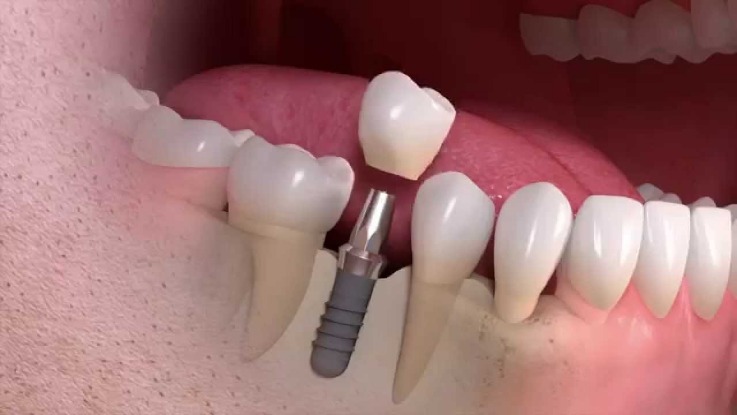
When teeth are missing, damaged, or worn, the most reliable way to restore chewing power and facial support is with Implants. A dental implant is a biocompatible post, usually titanium or zirconia, anchored in the jawbone where it fuses through osseointegration. This bond creates a stable foundation for a crown, bridge, or full-arch solution. Because implants transmit bite forces into bone, they help preserve bone volume and facial contours in ways conventional bridges and dentures cannot. With proper planning, modern implants deliver lifelike function, confidence in social settings, and longevity measured in decades.
For people missing most or all teeth, All on X full-arch therapy blends advanced surgical placement with prosthetic artistry. Strategically placing four to six implants per arch can support an entire set of teeth, often with immediate temporaries placed the same day as surgery. This approach helps avoid the instability of traditional dentures, reduces or eliminates the need for extensive bone grafting, and shortens overall treatment time. By distributing forces along angled and axial implants, All-on-X optimizes strength while maintaining a profile that’s comfortable and easy to clean. Routine home care and professional maintenance keep these restorations feeling natural and looking great.
When the underlying tooth structures are intact but the smile needs refinement, Veneers offer a conservative cosmetic solution. Ultra-thin ceramic shells are bonded to the front surfaces of teeth to correct discoloration, small chips, gaps, and mild alignment issues. Modern veneers use high-strength porcelains that mimic enamel’s translucency and fluorescence, creating depth and realism in a way that direct composites rarely match long-term. Careful case selection considers bite patterns, enamel thickness, and gum symmetry. Minimal-prep techniques protect tooth structure, while digital smile design and wax-ups preview the final outcome before any tooth is altered. Paired with bite guards for those who clench or grind, veneers can maintain their brilliance for years. For many patients, combining veneers with selective orthodontics or whitening yields a balanced result that looks natural, not “done.”
Aesthetics and Alignment: Cosmetic Dentistry, Clear Braces, and Teeth Whitening
A beautiful smile aligns teeth, gumline, and facial proportions, which is why Cosmetic Dentistry is about much more than color or shape. Comprehensive smile design starts with facial analysis: interpupillary line, smile arc, midline, lip dynamics, and gingival architecture. The goal is harmony, not uniformity—subtle asymmetries often create the most natural effect. Treatment planning may include tooth contouring, bonding, veneer placement, and bite adjustments to ensure the new smile functions comfortably under real chewing forces. Careful sequencing matters; for instance, orthodontics may precede veneers to reduce tooth preparation and preserve enamel.
Alignment therapies like Clear Braces give adults and teens the freedom to straighten teeth discreetly. Clear aligners use a series of custom trays to guide teeth into position, while ceramic braces blend with tooth color for low-visibility control. Digital scans simulate outcomes, enabling precise movements for crowding, spacing, overbite, and crossbite. Attachments, elastics, and IPR (interproximal reduction) fine-tune results without bulky hardware. Success requires consistent wear and a stable bite at the end—retainers are essential to prevent relapse. Orthodontic alignment can also improve periodontal health by making oral hygiene easier and distributing bite forces more evenly, which protects both natural teeth and previous restorations.
Color completes the picture. Professional Teeth whitening uses calibrated hydrogen or carbamide peroxide gels to lift stains from enamel while minimizing sensitivity. In-office protocols accelerate results with controlled application and light activation, while custom take-home trays allow gradual brightening. With supplementation and maintenance, brighter shades can last for years. A desensitizing regimen—potassium nitrate, fluoride varnish, and careful temperature control—helps those with reactive teeth. Whitening first is often recommended before veneers or bonding so the surrounding natural teeth set a brighter baseline. After whitening, avoiding dark foods and drinks during the critical 48-hour window helps lock in shade gains. Patients who search for a Dentist near me often discover that combining alignment, whitening, and minor recontouring delivers a powerful, conservative transformation that looks refined and authentic.
Everyday Care and Urgent Needs: Family Dentistry, Teeth Cleaning, and Emergency Dental Care
Good oral health is a lifelong journey, and comprehensive Family Dentistry adapts to each stage. Expectant parents benefit from periodontal checks, since maternal gum inflammation has been linked to adverse pregnancy outcomes. Young children thrive with sealants, fluoride varnish, and early habit coaching. Teens often need sports mouthguards and orthodontic guidance, while adults juggle prevention with restorative needs and esthetic goals. For seniors, root exposure, dry mouth from medications, and prosthetic upkeep require targeted strategies. Across all ages, risk-based intervals—every three to six months—keep biofilm, tartar, and inflammation in check and reduce the need for invasive treatment.
Professional cleanings are the engine of prevention. Routine prophylaxis removes plaque and calculus from above the gums, polishes away surface stains, and reinforces personalized home-care techniques. When inflammation extends below the gumline, non-surgical periodontal therapy—scaling and root planing—smooths root surfaces to discourage bacterial recolonization and supports tissue healing. Partnering with a 5 star dentist and hygiene team ensures meticulous instrumentation, evidence-based fluoride and desensitizers, and proactive monitoring with diagnostic imaging and periodontal charting. For consistent results, schedule routine Teeth Cleaning before biofilm matures into hardened tartar that can only be removed professionally.
Unplanned problems demand swift, decisive action. True Emergency Dental Care includes severe pain unresponsive to analgesics, facial swelling, uncontrolled bleeding, traumatic tooth loss, and sports or accident injuries. If a permanent tooth is knocked out, handle it only by the crown, gently rinse, and attempt reimplantation if possible; otherwise store it in milk or saline and seek immediate care—the first hour is critical. Sudden toothaches often signal pulpal inflammation or abscess; prompt evaluation can prevent systemic spread and salvage the tooth with root canal therapy. Broken fillings, lost crowns, and cracked teeth also warrant rapid attention to minimize sensitivity and bacterial ingress. Clinics that prioritize same-day access, judicious antibiotics, and palliative care—along with definitive follow-up—restore comfort quickly and protect overall health. When prevention, maintenance, and urgent response work together, smiles stay healthier, treatments remain simpler, and confidence becomes a daily habit.