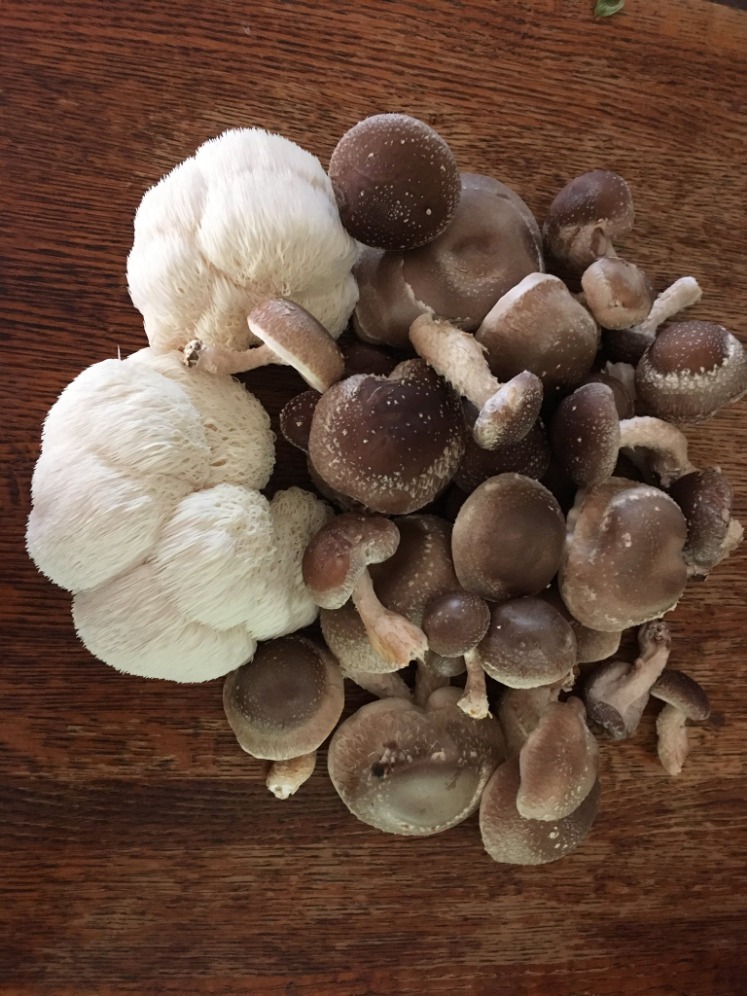
From ancient herbal traditions to modern wellness routines, medicinal mushrooms have surged in popularity for their broad range of benefits. Species like Lions Mane, Reishi, turkeytail, maitake, shiitake, chaga and cordyceps offer distinct profiles of bioactive compounds that support cognitive function, immune resilience, energy levels and overall vitality. As interest in these fungi grows, so does attention to sourcing, extraction methods and formulation — from powdered blends and concentrated capsules to alcohol or glycerin extracts. For those seeking reliable products, understanding the difference between culinary mushrooms and potent functional mushrooms or specialty mushroom supplement formats is essential.
Key species and their distinctive benefits
The diversity among therapeutic fungi is reflected in their traditional uses and modern research. Lions Mane is celebrated for supporting neurogenesis and cognitive clarity; its compounds, hericenones and erinacines, are linked to nerve growth factor stimulation. Reishi is prized as an adaptogen that modulates stress responses and supports healthy immune function through polysaccharides and triterpenes. Turkeytail contains complex polysaccharide fractions associated with immune modulation and microbiome support, while maitake and shiitake deliver beta-glucans known to influence immune signaling and cardiovascular health.
Chaga is valued for antioxidant-rich betulinic and polyphenolic compounds that may support oxidative balance, and cordyceps is favored by athletes for potential benefits to cellular energy and endurance via effects on ATP production and oxygen utilization. While culinary varieties like shiitake provide nutrition and flavor, concentrated extracts of these species — medicinal mushrooms — are formulated specifically to capture therapeutic constituents. Choosing the right species depends on targeted outcomes: cognitive support, immune resilience, stress balance or physical performance. Combining complementary fungi into blends can broaden effects, but product transparency about strain, fruiting body vs mycelium content, and extraction ratios remains critical to ensure efficacy.
Sourcing, formats and why organic UK grown matters
Quality is a decisive factor when selecting mushroom tinctures, powders or capsules. Look for products that specify substrate, cultivation method and extraction technique. Organic certification reduces exposure to agricultural chemicals and supports cleaner end-products, while identification of whether fruiting bodies or mycelium were used clarifies what active compounds are present. Locally produced and UK grown mushrooms can offer traceability advantages — from seed strain selection to cultivation environment — resulting in more consistent phytochemical profiles and reduced carbon footprint compared with long-distance imports.
Extraction methods matter: hot water extraction brings out water-soluble beta-glucans associated with immune benefits, while alcohol extraction isolates triterpenes and other alcohol-soluble constituents. Dual-extraction techniques combine both to capture the full spectrum of bioactives. For those who prefer concentrated, fast-absorbing forms, tinctures can provide rapid assimilation and precise dosing. When evaluating products, review third-party lab testing for heavy metals, microbial contaminants and quantified active markers. For hands-on consumers or practitioners recommending fungi, choosing transparent brands that cultivate sustainably and publish certificates gives confidence in both safety and potency.
Applications, dosing strategies and real-world examples
Practical application of functional mushrooms spans daily low-dose maintenance to targeted, higher-dose protocols for specific concerns. For cognitive clarity and focus, microdosing Lions Mane in the morning, often combined with a nootropic regimen, is a common approach. For immune support during seasonal shifts or recovery periods, higher-dose beta-glucan-rich extracts from turkeytail or maitake may be cycled for weeks at a time. Athletes exploring endurance benefits may integrate cordyceps as part of pre-training routines, while those managing stress and sleep can use nightly Reishi preparations to support parasympathetic balance.
Real-world examples illustrate how quality and format influence outcomes. A small UK wellness clinic reported improved sleep continuity in clients who switched from raw mushroom powders to standardized dual-extract tinctures, citing faster symptom relief and improved compliance. An urban forager network partnered with a local cultivator to scale production of sustainably farmed fruiting bodies, enabling access to consistent, organic materials for clinical-grade extraction. For people seeking convenient, evidence-informed supplementation, certified products that combine clear dosing instructions with lab-verified potency reduce variability and support reliable results. Those preferring liquid extracts can explore targeted formulations and precise titration via reliable suppliers such as mushroom tinctures that emphasize provenance, extraction transparency and UK-based cultivation.